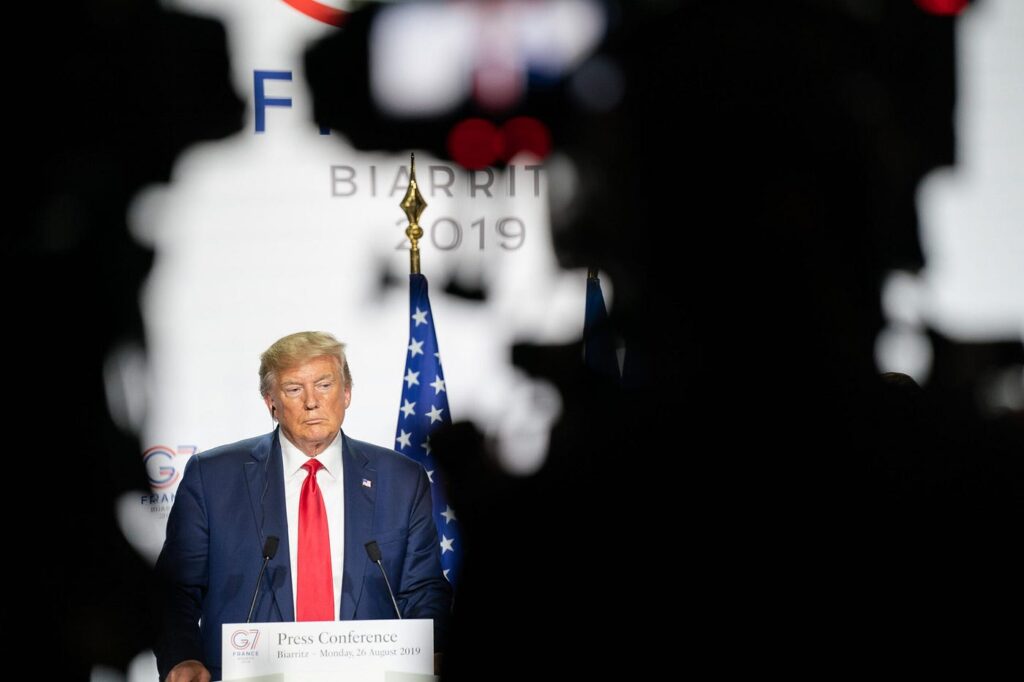
WASHINGTON / TEHRAN — Prospects for a diplomatic resolution between Washington and Tehran plunged into deep uncertainty after US President Donald Trump declared that Iran had taken too long to negotiate a nuclear and security deal, warning that the Islamic Republic will now “have to pay the price.” The abrasive rhetoric effectively casts fresh doubt on the viability of ongoing peace talks, pushing the two adversaries back to the brink of open conflict.
In response to the hardening US stance, Tehran announced it would completely reassess its diplomatic engagement with Washington. The Iranian foreign ministry blamed the diplomatic breakdown on what it characterized as repeated and flagrant US ceasefire violations, signaling a formal retreat from the negotiating table.
A Fatal Crash Sparks Rapid Escalation
The sudden collapse in diplomacy follows a fierce, multi-theater exchange of military fire, marking the most significant escalation since the two nations agreed to a fragile, US-brokered ceasefire agreement in April.
The catalyst for the hostilities occurred near the highly sensitive Strait of Hormuz—a vital global choke point for oil transit—following the crash of a US military helicopter. While both American crew members were successfully rescued from the water, the incident immediately triggered a rapid chain reaction. Washington quickly asserted that the helicopter had been downed by Iranian forces. Labeling its subsequent actions a “proportional response,” the US military launched targeted airstrikes against 20 Iranian military positions scattered around the perimeter of the Strait.
Iran swiftly retaliated against the American strikes by launching a coordinated wave of ballistic missiles and explosive drones targeting US military installations across the Middle East, specifically striking bases in Jordan, Kuwait, and Bahrain.
Regional Fallout and Uncertain Peace
While the Pentagon confirmed that the Iranian missile and drone barrages resulted in no casualties or structural damage to regional facilities, the sheer scale of the cross-border strikes underscores how quickly the April truce has unraveled.
With President Trump signaling a shift from negotiation to deterrence and punishment, and Tehran freezing back-channel communications, regional security analysts warn that the risk of a miscalculation in the Gulf is at its highest point since the spring ceasefire was implemented.
Click here for more on World News