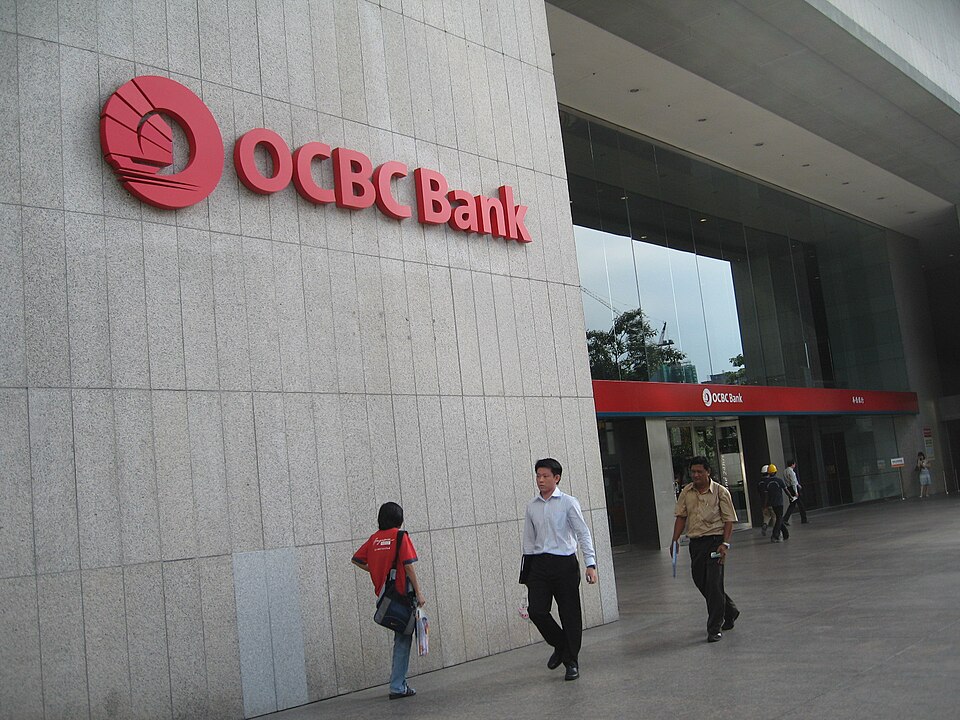
Mainland Chinese and Hong Kong small and medium-sized enterprises (SMEs) are speeding up their expansion into Southeast Asia by deploying low-cost digital strategies. According to OCBC Bank (Hong Kong) Ltd., this outbound push is being heavily accelerated by geopolitical conflict and sweeping supply chain realignments that are forcing firms to diversify outside of their domestic market. To capitalize on this surging cross-border momentum, OCBC is aligning its networks in Hong Kong and Singapore to support businesses entering key ASEAN territories such as Malaysia, Indonesia, Vietnam, and Thailand.
Mimi Tsang, OCBC’s head of commercial banking cash and emerging business, noted that a defining trend involves these SMEs establishing brands tailored to international middle-class consumers while utilizing e-commerce platforms for rapid market penetration. She explained that companies are adopting a “small batch” methodology, which allows them to test consumer appetite digitally before committing to larger production scales or distribution networks. This outbound movement is primarily concentrated across sectors like consumer goods, logistics, digital services, and ESG-oriented industries. The expansion is also receiving official backing; China’s Ministry of Industry and Information Technology recently introduced policy measures encouraging local governments to provide financial, tax, and industrial assistance to high-quality SMEs targeting global growth.
Tsang highlighted that expanding firms typically structure their capital and treasuries out of Hong Kong while utilizing Singapore as their centralized operational hub for ASEAN. However, even with agile, digital-first models, SMEs frequently struggle with funding gaps, compliance mandates, and operational friction. To alleviate these bottlenecks, OCBC allows clients to set up multi-market accounts across Hong Kong and ASEAN using a single documentation framework, which slashes onboarding timelines and setup costs. The bank also facilitates multi-currency settlements and offshore financing to smoothly channel Hong Kong-based capital into Southeast Asian nodes, leveraging its 250-branch regional footprint to give SMEs immediate local banking access. Beyond financial tools, Tsang emphasized that corporate clients increasingly require non-financial support—including guidance on legal, tax, and cross-border regulatory frameworks—alongside assistance with local talent acquisition and brand building amid fragmented supply chains.
Looking ahead, the combination of permanent structural shifts in global manufacturing and the rapid expansion of Southeast Asia’s young, middle-class demographic will continue to serve as powerful catalysts for Chinese firms. In tandem with these cross-border dynamics, OCBC previously announced an aggressive push to more than double its sustainable financing allocations for the SME sector. The financial institution intends to scale its sustainable backing to 12,000 SMEs across Singapore, Malaysia, Hong Kong, and Indonesia by 2028, up from 5,000 in 2025. This expanded commitment will feature social loans and targeted programs for female entrepreneurs, driving OCBC’s total SME sustainable finance target to 19.5 billion Singapore dollars ($14.4 billion USD) by 2028. This follows a strong performance in 2025, during which the bank saw a 34% increase in the number of green-funded SMEs and a 40% jump in total financial commitments, with the building, manufacturing, and logistics sectors leading the demand.
Click here for more on Banking