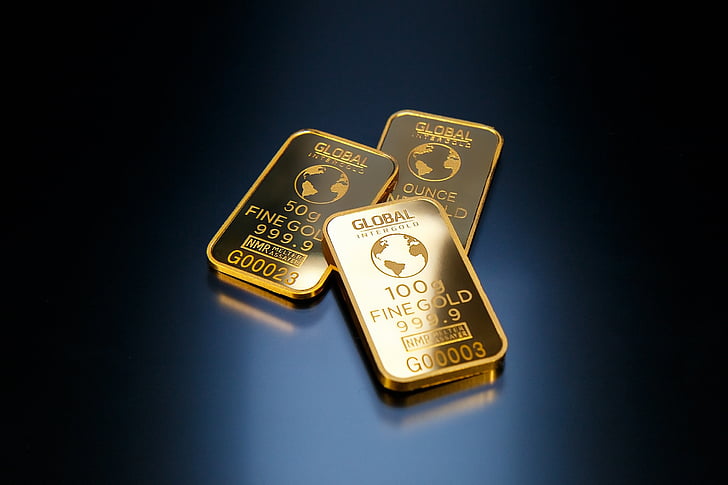
Gold prices eased slightly on Monday, weighed down by a strengthening U.S. dollar and ascending crude oil prices, while market participants awaited a decision from U.S. President Donald Trump regarding a proposed ceasefire extension with Iran. Spot gold ticked down 0.3% to $4,521.25 per ounce early in the session, retracing from a two-week peak achieved just a day prior. Concurrently, U.S. gold futures for August delivery slipped 0.9% to settle at $4,551.60.
A stronger greenback created immediate headwinds for the metal by raising the entry cost for buyers utilizing alternative currencies. Market analysts noted that the combination of rising energy costs and the unresolved diplomatic friction between Washington and Tehran kept bullion on the defensive as the trading week opened. Although President Trump indicated that a decision on the ceasefire extension was imminent, fundamental disagreements between the two nations persist. The geopolitical backdrop remains highly volatile; the U.S. conducted military strikes on Iranian sites over the weekend, drawing a retaliatory strike from Iran’s Revolutionary Guards against a U.S. base. Simultaneously, Middle Eastern tensions deepened as Israeli Prime Minister Benjamin Netanyahu instructed forces to advance further into Lebanon against Hezbollah, challenging a ceasefire established over six weeks ago.
The escalating conflict drove oil prices up by more than 2% on Monday, intensifying broader anxieties over inflation and corresponding interest rate hikes. While gold typically serves as a capital safeguard during inflationary periods, its appeal as a non-yielding asset diminishes when central banks tighten monetary policy. Underscoring this risk, Federal Reserve Vice Chair for Supervision Michelle Bowman cautioned that the macroeconomic fallout from the Middle East conflict could fuel sticky inflation, potentially necessitating a more aggressive monetary stance. Despite these near-term pressures, analysts suggest that if macro conditions shift—specifically via a weaker dollar, cooling oil prices, persistent central bank purchasing, and gold’s foundational role as a geopolitical refuge—the precious metal could still challenge the $5,500 mark by the conclusion of 2026. In contrast to gold’s minor retreat, other precious metals found positive traction, with spot silver climbing 0.7% to $75.81 per ounce, platinum advancing 1.5% to $1,945.15, and palladium gaining 1.4% to reach $1,372.75.
Click here for more on Finance and Investing