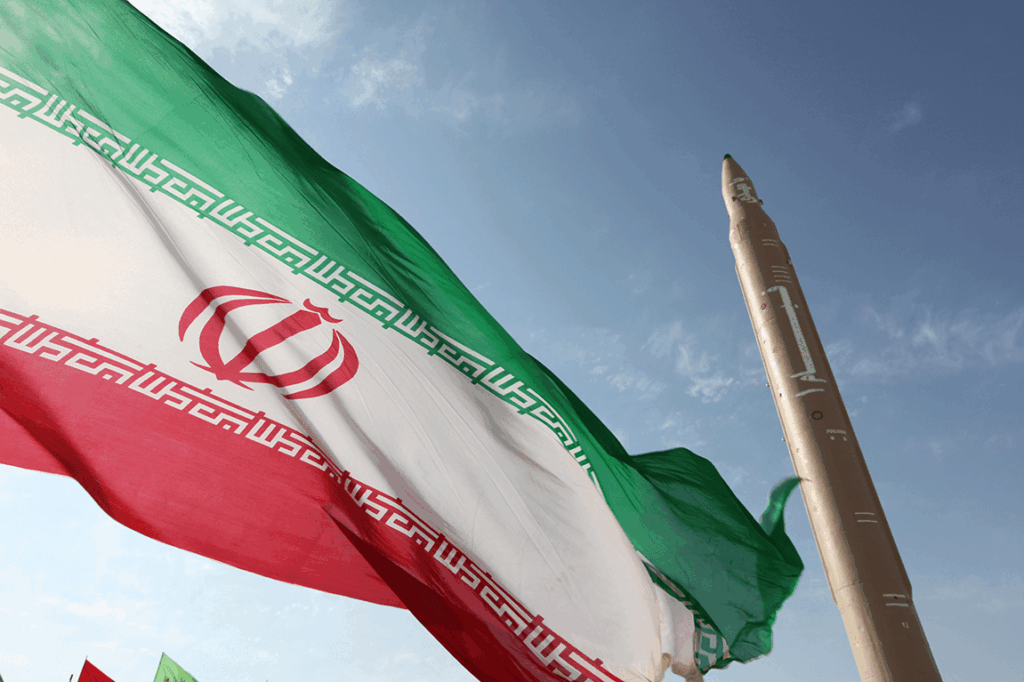
Hopes for a resolution to the Iran conflict intensified on Thursday following reports of a diplomatic breakthrough on several contentious issues. Mediated by Pakistan, the latest discussions have sparked cautious optimism from both Washington and Islamabad. U.S. President Donald Trump indicated that a successful agreement would reopen the Strait of Hormuz, a critical maritime corridor that has been closed during the six-week war, causing a historic global oil price shock and pushing the international economy toward recession.
Field Marshal Asim Munir, Pakistan’s army chief, traveled to Tehran to facilitate further negotiations after previous talks in Islamabad stalled. While Iranian officials acknowledged that the visit boosted hopes for a second round of dialogue and an extension of the current ceasefire, they cautioned that major disagreements regarding Iran’s nuclear program persist. Key disputes center on the duration of a nuclear activity suspension and the removal of highly enriched uranium, though sources suggest Tehran may consider diluting its stockpiles under international supervision if sanctions are lifted.
The peace process also hinges on a parallel ceasefire in Lebanon. In a historic shift, President Trump announced that the leaders of Israel and Lebanon would speak for the first time in over three decades. Despite this diplomatic movement, violence continues on the ground; Israeli strikes recently destroyed the final bridge connecting southern Lebanon to the rest of the country.
Global markets have reacted positively to the potential for peace, with equities reaching record highs as investors anticipate a stabilization of energy costs. While the White House described the Pakistani-led mediation as productive, Iranian nuclear chief Mohammad Eslami warned that any lasting success depends on the international community honoring its commitments and respecting Iran’s national interests.
Click here for more on World News