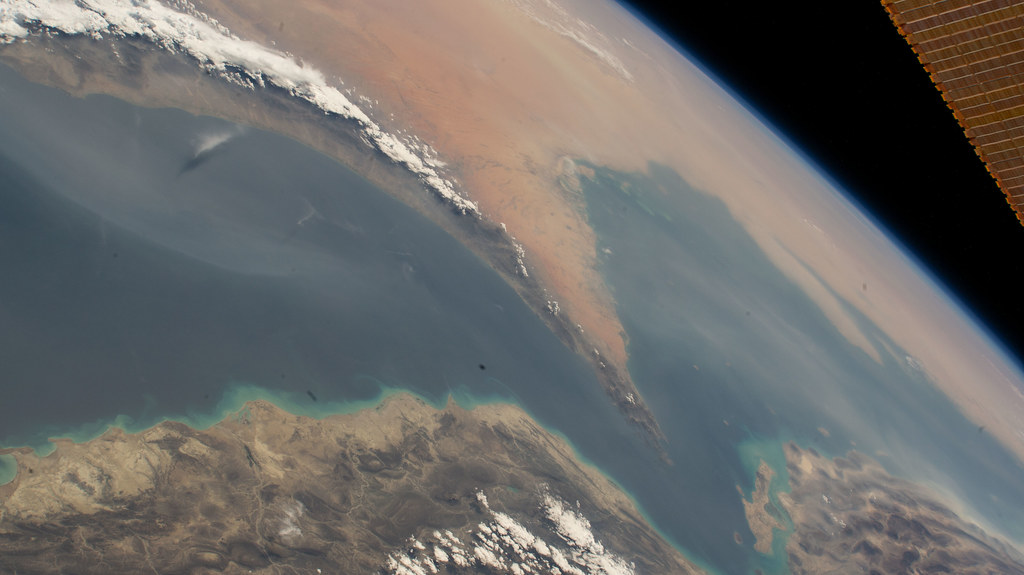
Tensions remain high on the final day before historic peace talks in Islamabad, as both the United States and Iran exchange accusations of ceasefire violations. While a two-day-old truce has paused direct airstrikes between the U.S. and Iran, the Strait of Hormuz remains effectively closed, causing unprecedented stress on global energy markets. U.S. President Donald Trump criticized Iran’s management of the waterway, while Tehran condemned continued Israeli military operations in Lebanon as a breach of the agreement.
The diplomatic focus now shifts to the Pakistani capital, which has been placed under a total lockdown to secure the “red zone” hosting the delegations. Vice President JD Vance will lead the American team, while Parliament Speaker Mohammad Baqer Qalibaf heads the Iranian delegation. Despite the mutual recriminations, the talks are expected to proceed. The summit’s agenda is daunting: the U.S. is demanding the total dismantlement of Iran’s nuclear and missile programs, while Tehran is seeking the end of economic sanctions and formal recognition of its authority over the Strait of Hormuz, including the right to collect transit fees.
The conflict in Lebanon remains a volatile “parallel war.” Although the U.S. and Israel maintain that Lebanon is not covered by the current truce, Prime Minister Benjamin Netanyahu signaled a shift by announcing plans for separate negotiations with the Lebanese government aimed at disarming Hezbollah. However, violence persists on the ground; Israel reported striking rocket launchers on Friday morning following Hezbollah missile fire toward Haifa. Lebanese officials are currently pushing for a temporary local ceasefire to facilitate these emerging talks.
Economically, the war’s impact is coming into sharp focus. While futures prices for oil have dipped in anticipation of a resolution, spot prices remain near record highs of $150 a barrel as only a handful of ships have dared to navigate the Strait. Upcoming U.S. inflation data is expected to provide the first official measure of how the conflict has affected consumer costs. As the negotiations begin, Iran remains a formidable regional power with its military infrastructure and uranium stockpiles largely intact, while its new Supreme Leader, Ayatollah Mojtaba Khamenei, continues to demand wartime reparations.
Click here for more on World News