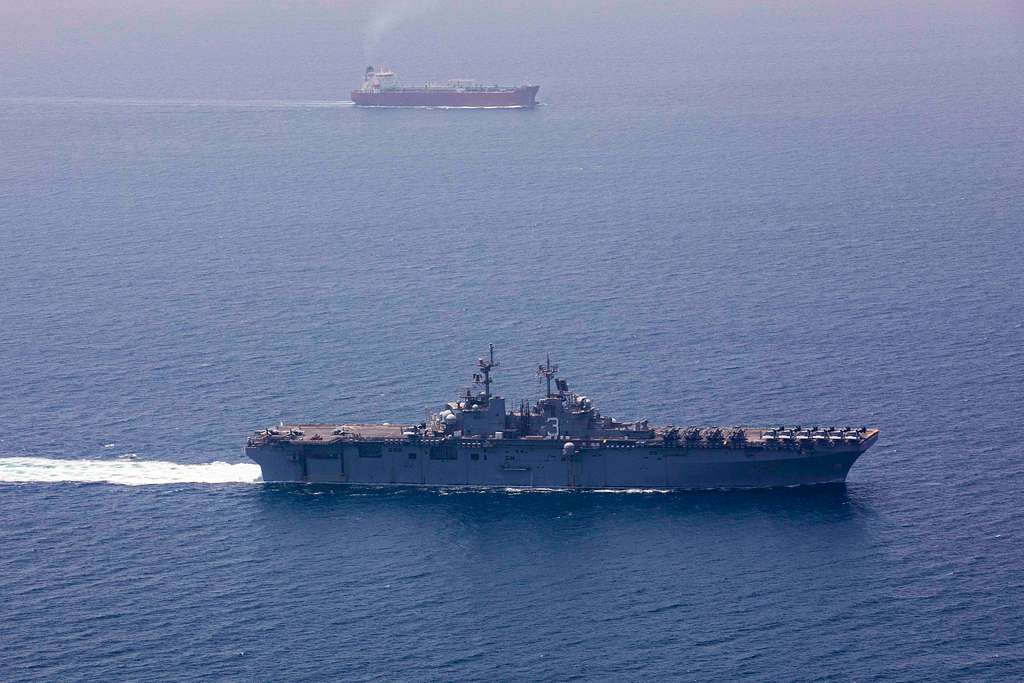
The U.S.–Iran conflict escalated on Wednesday after a U.S. strike hit an Iranian warship off Sri Lanka, intensifying a crisis that has disrupted shipping through the Strait of Hormuz for a fifth consecutive day and curbed crucial Middle East oil and gas flows.
The submarine attack came as U.S. President Donald Trump pledged insurance support and naval escorts for vessels transporting Middle Eastern oil and gas, aiming to stabilise surging energy prices.
About 200 ships — including oil tankers, LNG carriers and cargo vessels — remained anchored off the coasts of major Gulf producers such as Iraq, Saudi Arabia and Qatar, based on ship-tracking data from the MarineTraffic platform. Many other vessels were still waiting outside the Strait of Hormuz, unable to access regional ports. The waterway handles roughly one-fifth of global oil and LNG supply.
Meanwhile, the Maltese-flagged container ship Safeen Prestige was hit by a projectile while sailing near the northern end of the strait, forcing its crew to abandon the vessel, shipping sources said.
Qatar halted gas production and Iraq reduced oil output after storage facilities filled up because tankers were unable to load cargo. Saudi Arabia, the UAE and Kuwait were also struggling to ship crude, though it was not yet clear whether they had cut production.
Rare tanker movement amid disruption
Despite the congestion, one tanker completed a rare transit on Tuesday. The Suezmax tanker Pola sailed through the Strait of Hormuz to the UAE to load crude, according to industry sources and LSEG ship-tracking data.
The vessel had turned off its AIS transponder late on March 2 while approaching the strait and reappeared the next day near Abu Dhabi.
Trump said on Tuesday that he had instructed the U.S. International Development Finance Corporation to offer political-risk insurance and financial guarantees for maritime trade in the Gulf.
“No matter what, the United States will ensure the free flow of energy to the world,” he wrote on social media.
Oil prices eased slightly on Wednesday after rising for four straight days and gaining 12% since the conflict began on Saturday, as U.S.-Israeli strikes on Iran disrupted regional supplies. The pace of gains slowed compared with earlier sessions.
Goldman Sachs raised its second-quarter Brent crude forecast by $10 to $76 per barrel and lifted its outlook for WTI by $9 to $71 per barrel. The bank cited the risk of longer-than-expected disruptions to oil and gas exports through the Strait of Hormuz and potential damage to production facilities. It also warned that reduced flows through the strait could sharply lower OECD inventories and Middle East output in March.
Jakob Larsen, chief safety and security officer at shipping association BIMCO, said providing protection for every tanker in areas threatened by Iran would be impractical due to the large number of warships and military assets required.
Asia seeks alternative supplies
Several Asian refiners may have to cut output because they cannot secure immediate replacement cargoes from Gulf suppliers amid the shipping freeze, according to traders and analysts.
Asia imports about 60% of its oil from the Middle East, leaving it highly exposed to supply disruptions. Refiners in Indonesia and Japan have begun sourcing more crude from the United States to offset shortages, while companies in India are considering additional purchases from Russia.
Saudi Aramco’s largest domestic refinery and its key crude export terminal at Ras Tanura were also struck on Wednesday, according to four sources.
Click here for more on World News