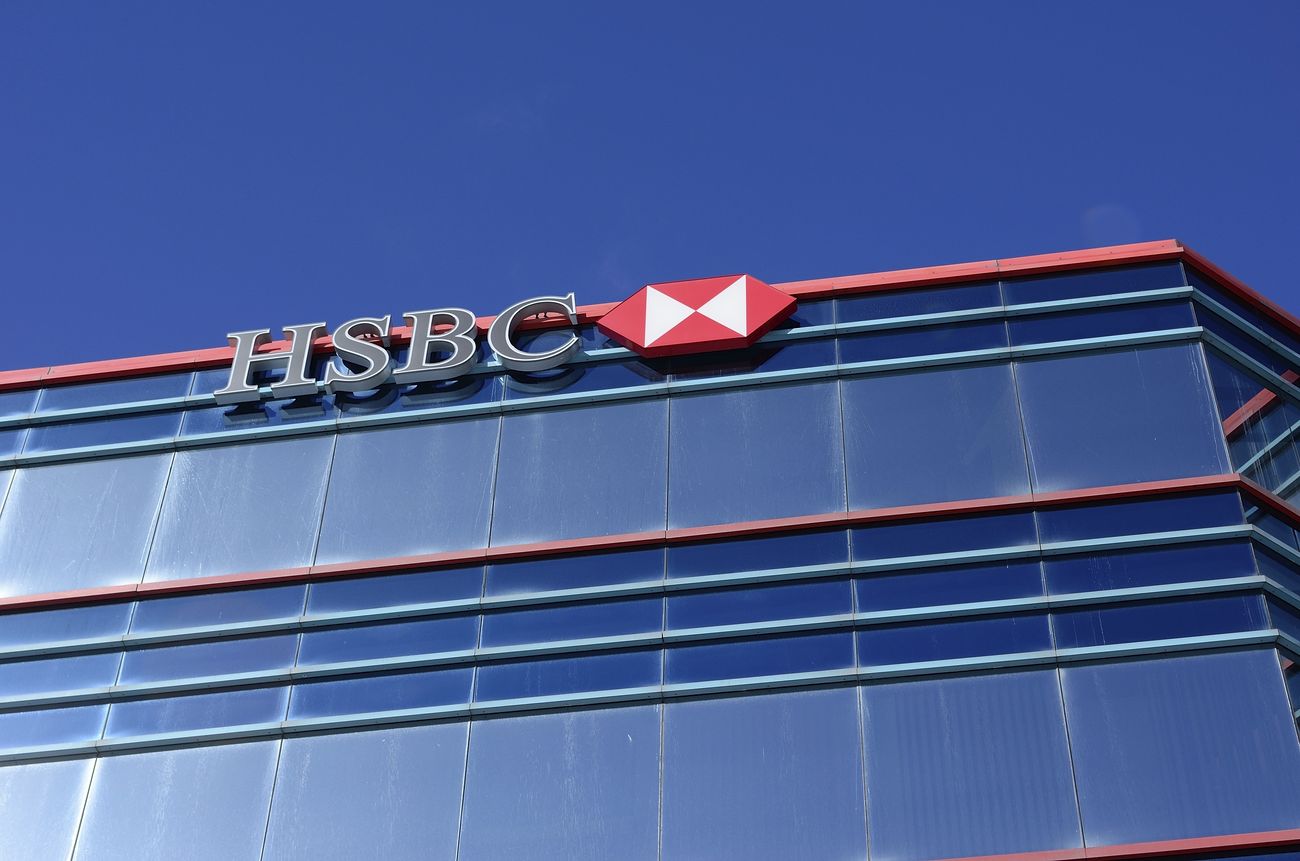
HSBC expects Hong Kong to play a key role in driving demand for China’s renminbi (RMB) as the currency strengthens and becomes more widely used in international trade.
Vina Cheung, HSBC’s global head of RMB internationalisation, said current market conditions are favourable for the currency to take on a larger role in the global financial system. Cheung, who has led the bank’s RMB team for more than a decade, works with corporates and investors on cross-border payments and investments using the Chinese currency.
The RMB recently climbed to a 34-month high of 6.93 per dollar, according to the People’s Bank of China, and is now the sixth most-used currency for global payments by value, based on data from SWIFT.
Demand for offshore RMB has been supported by rising trade tensions between the United States and China, which have prompted companies to diversify their currency exposure. Cheung noted that China remains deeply embedded in global supply chains despite the “China+1” strategy adopted by many companies to diversify manufacturing bases.
She added that cross-border investment flows between China and the rest of the world are expected to continue, making the RMB an increasingly attractive option for international settlements and investments.
HSBC has consolidated its RMB clearing operations in Hong Kong and expanded its capacity to $227b, allowing multinational and Chinese clients to process payments more quickly and at lower cost. Cheung pointed to a gold-trading client that benefited from reduced delays and transaction costs by using Hong Kong RMB accounts.
The bank also joined China’s Cross-Border Interbank Payment System in late 2024 and has provided input to regulators on efforts to internationalise the currency. Cheung expects the RMB to rise to become the third most-used global payment currency, up from fourth place in late 2024 and early 2025, according to SWIFT.
Her team oversees regulatory compliance, client engagement and currency strategy, while she credits her Chinese language skills with helping her navigate markets from Singapore to Hong Kong and Canada.
Cheung also pointed to progress in advancing women into senior banking roles, emphasising the importance of fair evaluation beyond gender metrics. HSBC supports this through leadership initiatives such as the HSBC Rise programme launched in 2024, and partnerships including its collaboration with 100 Women in Finance to promote women’s empowerment in the financial services sector.
In the UK, the bank also runs a Women’s Business Growth Initiative focused on supporting women-led enterprises.
Click here for more on Banking