ABU DHABI – The UAE’s aviation sector continues to strengthen its standing as a key pillar of the national economy and a global reference point for governance, innovation and sustainability.
Throughout 2025, the sector delivered a series of major milestones that enhanced the competitiveness of the economy and supported critical industries such as trade, tourism, logistics and supply chains. Together, its direct and indirect contributions account for up to 18% of the country’s gross domestic product.
In January 2025, the General Civil Aviation Authority (GCAA) launched a unified national platform for unmanned aerial vehicles, providing a digital system to regulate and register drone operations. The platform clarifies operational requirements, ensures regulatory compliance, and improves safety, efficiency and the investment climate.
In April, the GCAA approved the design of the UAE’s first hybrid heliport at the Abu Dhabi Cruise Terminal in Zayed Port, under the Abu Dhabi Air Taxi initiative. The project marks a significant step toward an integrated and sustainable air transport network across the emirate.
On the sustainability front, the GCAA submitted the third edition of the UAE’s State Action Plan to Reduce Aviation Emissions to the International Civil Aviation Organisation (ICAO) after Cabinet approval. Developed in coordination with key aviation stakeholders, the plan supports the UAE’s climate commitments while safeguarding long-term growth in the aviation industry.
The updated plan underscores the UAE’s proactive approach to global climate action and aligns with ICAO Assembly Resolution A37-19 and subsequent resolutions. It introduces a comprehensive set of measures to curb aviation emissions, including 42 initiatives in operations and technology, along with 13 projects focused on sustainable and low-carbon aviation fuels.
Internationally, the UAE secured its seat on the ICAO Council for a seventh consecutive term. Hamad Salem Al Muhairi, Assistant Director-General for Aviation Security Affairs at the GCAA, was also reappointed for a third consecutive year as Chair of the ICAO Aviation Security Panel.
In another milestone, Engineer Maryam AlBalooshi, Senior Manager of the GCAA’s Environmental Affairs Office, was elected Chair of ICAO’s Committee on Aviation Environmental Protection, becoming the first representative from the Middle East to hold the role. Her appointment carries wide-ranging international responsibilities, including shaping the future of aviation while balancing environmental goals with economic growth.
The UAE also reinforced its position as a global hub for aviation dialogue by hosting and participating in major international events, such as the ICAO Global Implementation Support Symposium and the inaugural Global Sustainable Aviation Market in Abu Dhabi.
During its 235th session, the ICAO Council formally adopted the UAE’s Global Sustainable Aviation Marketplace as an annual event within ICAO’s official calendar—an uncommon distinction for a state-led initiative. Launched in February 2025 alongside the ICAO Global Implementation Support Symposium, the platform aims to accelerate sustainable aviation by bringing together airlines, manufacturers, regulators and investors to advance sustainable aviation fuels, low-carbon fuels and climate finance solutions.
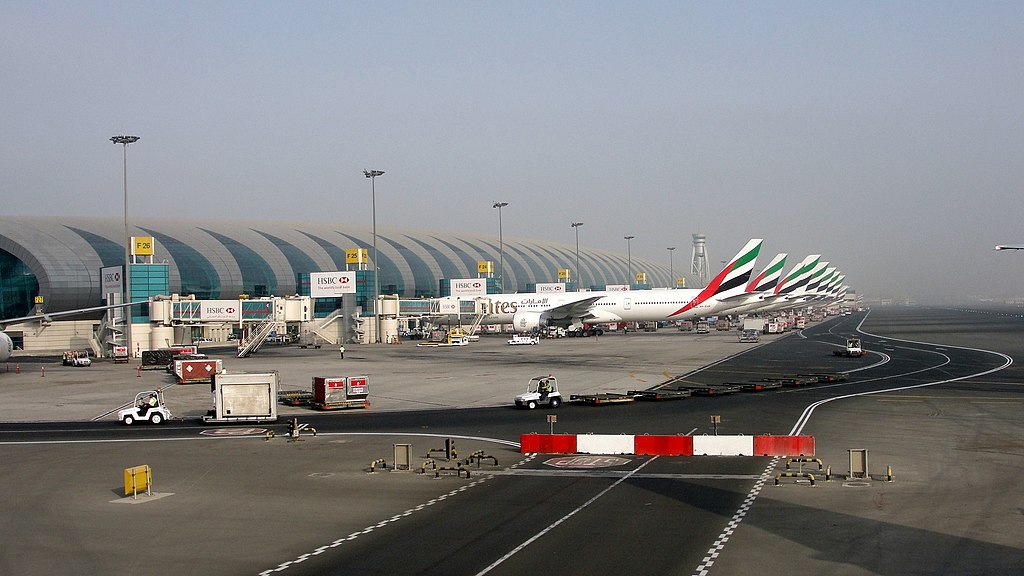
Meanwhile, UAE airports continued to post record passenger volumes in the first nine months of 2025. Abu Dhabi Airports, Dubai International Airport and Sharjah International Airport together handled about 108.59 million passengers by the end of September.
Click here for more on Business